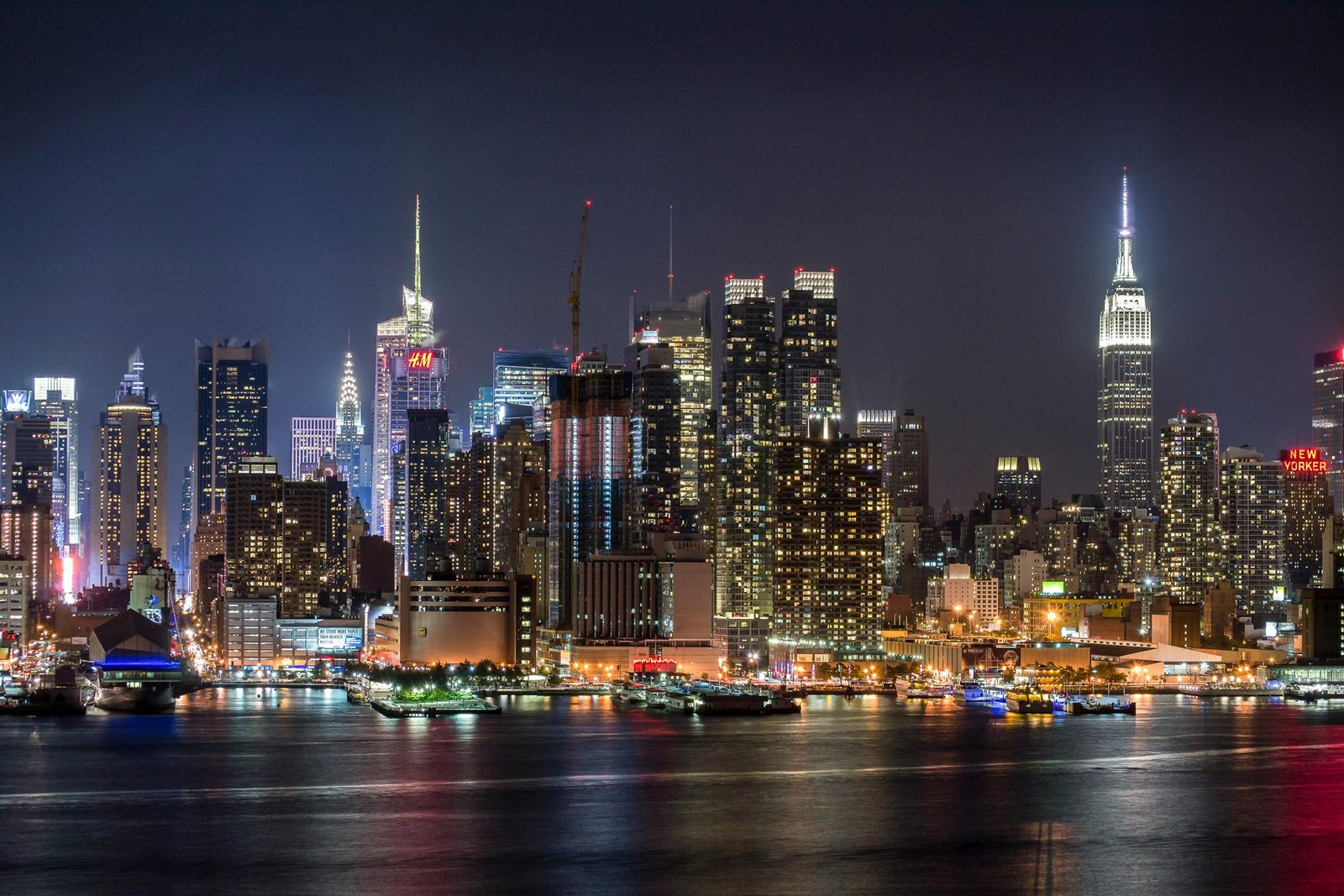
New York remains the primary destination for international business travel in the US. In 2026, the city was officially ranked as the number one destination in the country, driven by its unique ability to combine high-level professional infrastructure with world-class cultural experiences.
What Is MICE Tourism?
MICE refers to business-focused travel where groups gather for professional, corporate, or organizational purposes. In 2026, the sector has evolved to prioritize “Slow MICE”—a movement focusing on higher-quality, purposeful interactions over rushed itineraries.
Meetings in New York
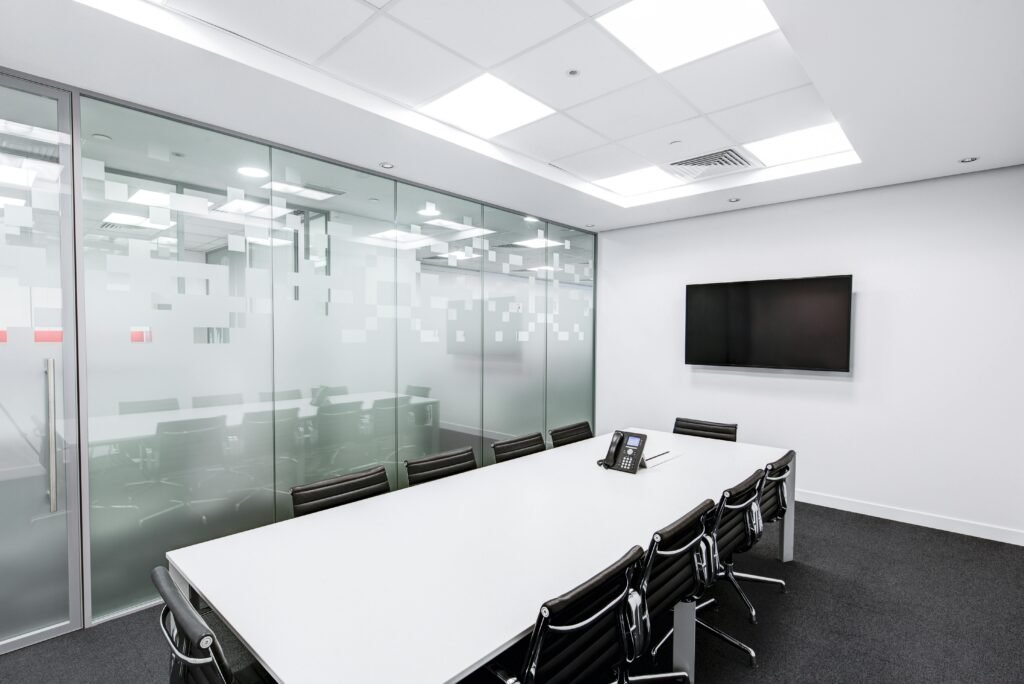
New York is an ideal destination for corporate meetings of all sizes, from executive board sessions to international management summits. The city offers a sophisticated selection of venues, including business hotels, dedicated conference facilities, and private spaces in the Financial and Midtown districts.
Key Advantages for Meetings in 2026:
-
International Accessibility: With three major airports and the newly expanded Penn Station and Moynihan Train Hall complexes, the city remains the most accessible hub for global participants.
-
Technology Infrastructure: Venues in 2026 have transitioned to high-speed Wi-Fi 7 and 5G Network Slicing, ensuring secure and seamless connectivity for hybrid meetings and data-heavy presentations.
-
Business-Oriented Environment: As a global financial and tech hub, New York operates within a favorable time zone for transatlantic and pan-American communication, making it the strategic choice for multi-regional coordination.
-
Professional Support: The city’s mature service economy provides access to specialized audiovisual teams, certified multi-lingual interpreters, and logistical experts who manage the complexities of modern corporate events.
Meetings in New York benefit from a reliable infrastructure that supports productivity. Many venues now incorporate smart technology for real-time agenda management and AI-driven networking tools, creating a high-performance environment that extends beyond the meeting room.
Incentives
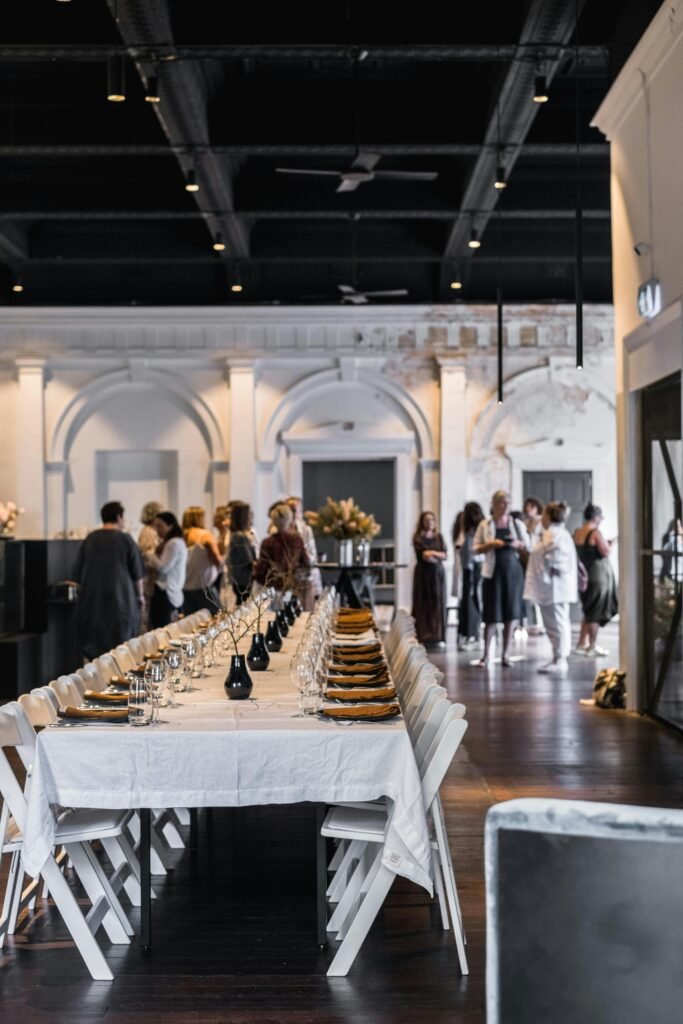
Incentive programs in New York combine high-level motivation with highly curated, exclusive experiences. The 2026 landscape emphasizes “Micro-Luxury” and “Purpose-Driven” travel, focusing on intimate, high-impact rewards for top performers.
Key Trends for 2026 Incentive Programs:
-
Once-in-a-Lifetime Access: With the World Cup Final scheduled for July 19, 2026, at the New York New Jersey Stadium, incentive groups are securing “Inner Circle” access to fan zones, private viewing suites, and behind-the-scenes stadium tours.
-
Heritage & “America250” Experiences: To commemorate the 250th anniversary of the United States, programs in 2026 often feature private “Sail4th 250” harbor excursions among the international tall ship flotilla or after-hours museum tours exploring the city’s revolutionary history.
-
Wellness & Restoration: Recognizing the need for genuine recovery, 2026 programs frequently incorporate “Urban Sanctuary” elements. This includes stays at new wellness-forward properties like The Aman New York or the newly rebranded Delano SoHo, featuring holistic health programs and mindful city retreats.
-
Hyper-Personalized Itineraries: The standard “one-size-fits-all” program has been replaced by “Choose-Your-Own-Adventure” tracks. Participants can select between high-energy activities (such as climbing The Edge at Hudson Yards), culinary immersions with Michelin-starred chefs, or creative workshops in the Tribeca art scene.
New York’s incentive programs are strategically structured to strengthen engagement and loyalty. By integrating the city’s unparalleled 2026 event calendar with private, professional management, companies can offer a reward that serves as a significant milestone in a participant’s career.
Conferences
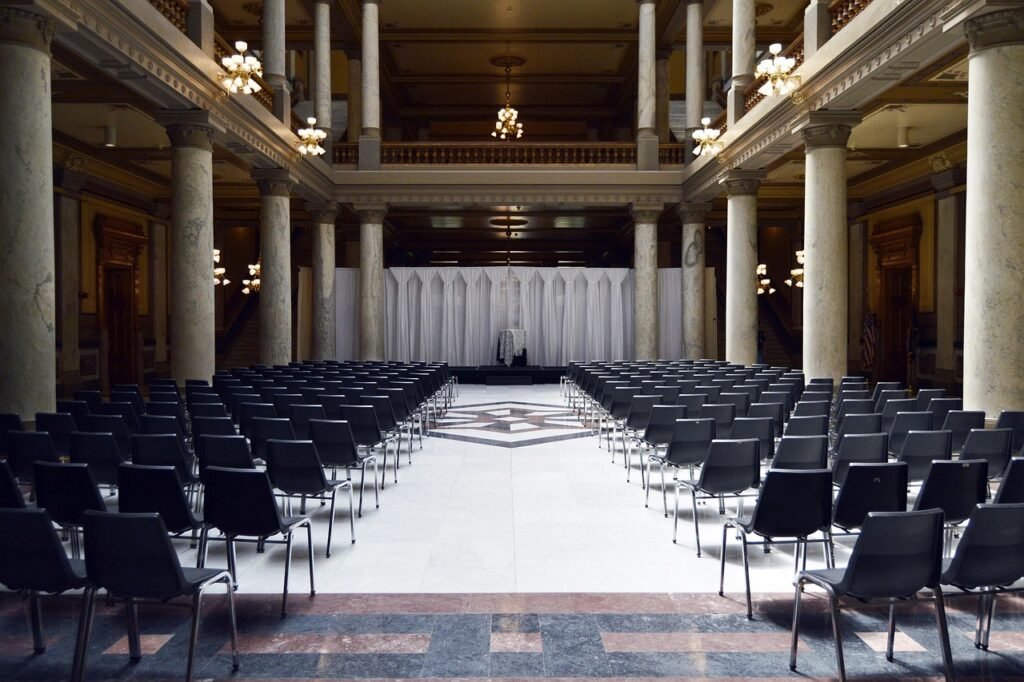
New York is a leading conference destination, hosting international congresses, corporate summits, and industry events across all major sectors. In 2026, conference planning is centered around the expanded Jacob K. Javits Convention Center and a network of high-performance “phygital” (physical and digital) venues.
Key Advantages for Conference Organizers in 2026:
-
Expanded Infrastructure: The Javits Center now offers over 3.3 million square feet of event space, including a state-of-the-art 1.2 million-square-foot expansion. This features the largest special event space in the Northeast (54,000 square feet) and a rooftop pavilion overlooking the Hudson River, ideal for plenary sessions and large-scale networking.
-
Sustainability Compliance: To meet Local Law 97 requirements, New York’s primary conference venues have undergone extensive energy retrofits. The Javits Center, for example, features a 6.75-acre green roof and one of Manhattan’s largest rooftop solar arrays, providing a carbon-conscious backdrop for ESG-focused organizations.
-
Advanced Technical Support: New York venues have standardized the “Gold Standard” of AV infrastructure, including integrated IPTV systems, motorized room partitions for flexible breakouts, and dedicated broadcast studios for high-quality live-streaming and hybrid engagement.
-
Strategic Transport Links: With the maturity of the Hudson Yards transit hub and the completion of the Penn Station upgrades, delegates can move efficiently between conference centers, primary hotel clusters, and international transport links, significantly reducing the logistical friction of large-scale attendance.
In addition to purpose-built facilities, New York provides the extensive accommodation capacity and specialized supporting services—such as delegate management and multi-lingual production teams—required for high-occupancy international events. Social programs and networking receptions can be integrated into iconic landmarks, enhancing the overall professional impact and delegate experience.
Exhibitions
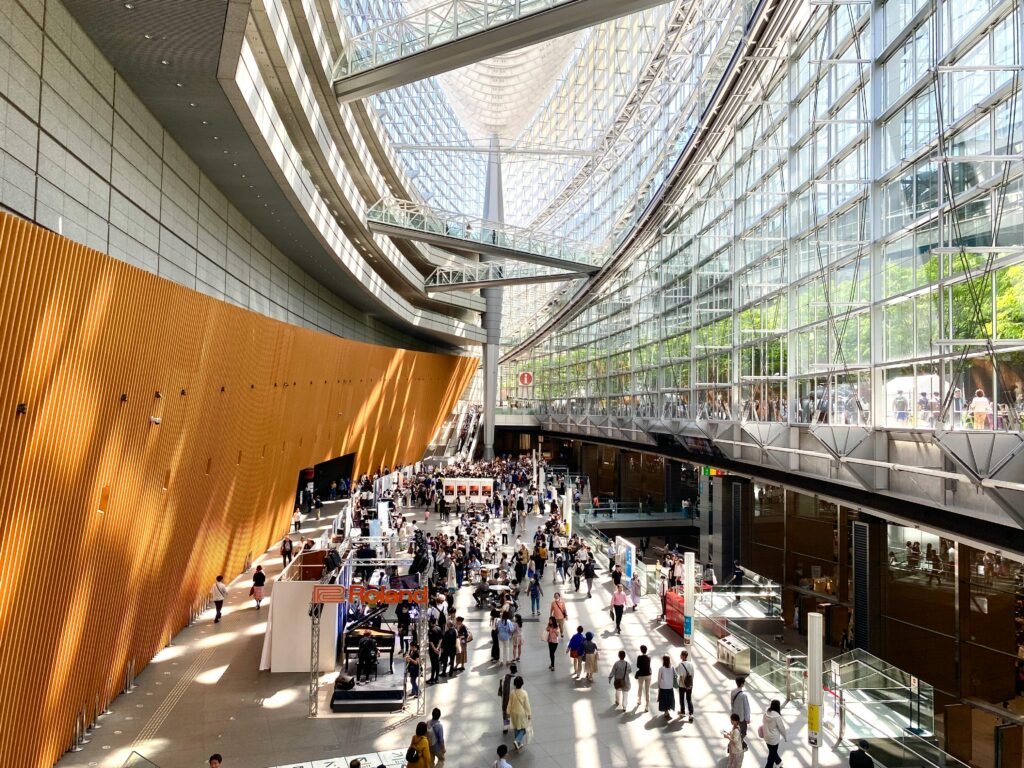
New York is an established exhibition hub, hosting major international trade shows, industry exhibitions, and business expos throughout the year. The city’s large-scale exhibition centers, primarily the Jacob K. Javits Convention Center, provide the specialized infrastructure and operational support required for complex, high-occupancy exhibition formats.
Key Features of the 2026 Exhibition Landscape:
-
Pivotal Industry Expos: New York continues to host the world’s most influential industry events. Significant exhibitions for 2026 include NRF: Retail’s Big Show (January), INTERPHEX (April) for pharmaceutical and biotech innovation, and New York Comic Con (October). These events serve as primary platforms for global product launches and industry-defining innovations.
-
Technological Integration: Exhibitions in 2026 emphasize “Immersive Professionalism.” Many trade shows now utilize Spatial Audio, AR overlays, and AI-driven lead retrieval systems to enhance the interaction between exhibitors and visitors. Purpose-built broadcast studios within venues allow for real-time global distribution of keynote content.
-
Sustainable Exhibition Standards: In response to Local Law 97 and global ESG mandates, the 2026 exhibition sector has prioritized “Circular Logistics.” This includes the use of modular, recyclable booth systems and a strict focus on reducing the carbon footprint of shipping and venue operations.
-
Strategic Market Access: New York exhibitions offer unparalleled access to international markets. In 2026, the city’s well-regulated environment and mature supply chain ensure that exhibitors can manage complex setup and breakdown processes efficiently, even during periods of high city-wide occupancy.
For organizers and international companies, New York exhibitions provide a structured environment for networking, lead generation, and brand visibility. The integration of professional on-site services, from customs brokerage to advanced electrical and data rigging, ensures that both exhibitors and attendees benefit from a professionally managed and high-impact exhibition experience.
Types of MICE Clients New York Attracts in 2026
New York is the preferred destination for a diverse array of global clients, leveraging its status as a leading business and cultural capital.
Multinational Corporations and SMEs
The business field remains the dominant MICE application, representing approximately 68% of the market share in 2026.
-
Internal Strategic Sessions: Multinational firms utilize New York for high-stakes decision-making and product launches, favoring tech-integrated venues in Midtown and the Financial District.
-
SME Brand Expansion: There is a significant rise in Small and Medium-Sized Enterprises (SMEs) using New York exhibitions as a primary launchpad for entering North American markets.
Industry Associations and Academic Bodies
Professional associations and research institutes account for roughly 19% of MICE applications in 2026.
-
Global Academic Congresses: New York’s robust academic presence—including institutions like NYU and Columbia—draws international scholarly events focused on collaborative research and publication launches.
-
Professional Summits: Financial, medical, and legal associations frequently select the city for multi-day congresses, benefiting from the specialized infrastructure of the Jacob K. Javits Convention Center.
Incentive Travel Agencies
Incentives are the fastest-growing MICE segment in 2026, with an estimated annual growth rate of 12% to 16%.
-
Motivational Rewards: Agencies curate “Legacy” rewards for high-performing teams, often centered around major 2026 events such as the FIFA World Cup 2026™ or the America250 celebrations.
-
Cultural Immersion Groups: A growing segment of “Bleisure” (business + leisure) travelers extend their stays to explore New York’s indigenous art, culinary heritage, and unique neighborhood narratives.
Why New York Is Ideal for MICE Programs in 2026
New York’s 2026 infrastructure is designed to handle the “Mega-Event” surges of the year while maintaining a high standard of professional service.
International Connectivity
As one of the world’s most connected hubs, New York’s three major airports—JFK, LaGuardia, and Newark—handle over 145 million passengers annually. In 2026, travel planning is further optimized by:
-
Enhanced Shuttle Services: New, dedicated shuttle routes from JFK and Newark provide direct, high-efficiency transfers for MICE delegates.
-
Rail Modernization: The completed upgrades at Penn Station and Moynihan Train Hall simplify regional transit for delegates arriving from Philadelphia or Washington, D.C.
Strategic Venue Portfolio
The city offers a record number of new-build openings and modular, sustainable spaces.
-
Modular Versatility: 2026 venue trends focus on semi-permanent modular structures and multi-level designs that maximize vertical space for VIP hospitality and private executive meetings.
-
Historic Prestige: Venues like The Waldorf Astoria and The Metropolitan Museum of Art provide a prestigious backdrop for high-net-worth galas and anniversary events.
Advanced Hotel Infrastructure
For the second consecutive year, New York leads the nation in new-build hotel openings, with nearly 5,000 new roomsdebuting in 2026.
-
Occupancy Leader: Despite the influx of 1.2 million World Cup visitors, the city maintains a resilient occupancy rate of approximately 62%, supported by a diverse inventory ranging from five-star luxury to specialized business hotels.
Professional Transport and Logistics
The implementation of the Congestion Relief Zone has led to “quieter streets” and a more pedestrian-friendly environment in Lower Manhattan.
-
Integrated Public Transit: The OMNY contactless payment system is now the universal standard, ensuring seamless movement across the subway, bus, and ferry networks.
-
Specialized Private Transfers: For high-security or VIP groups, private transfer platforms offer real-time tracking and tailored vehicle selection to bypass traffic peaks.
New York’s 2026 MICE ecosystem is fully prepared to deliver high-ROI experiences during a historic year of global visibility.

Why New York Remains a Leading MICE Destination in 2026
New York’s dominance in the 2026 MICE sector is built on three pillars that align with the latest global business trends:
-
Global Connectivity & Infrastructure: With the near-completion of the $19-billion JFK New Terminal One, New York has solidified its status as a premier global gateway. This is matched by the 1.2 million-square-foot expansion of the Javits Center, which now features a one-acre rooftop farm and the largest special event space in the Northeast.
-
Strategic Business Alignment: The city is the “Perpetual Heartbeat” of diverse economies—from fintech and biotech to the creative arts. This Intellectual Capital provides a unique resource for event sponsors, keynote speakers, and industry partnerships that increase a program’s ROI.
-
The “Bleisure” Advantage: In 2026, over 45% of business travelers extension their trips for leisure components. New York’s cultural might—bolstered by new museum openings like the Studio Museum in Harlem—makes it the ultimate destination for “flexcations,” ensuring high delegate attendance and engagement.
The Strategic Role of a Destination Management Company
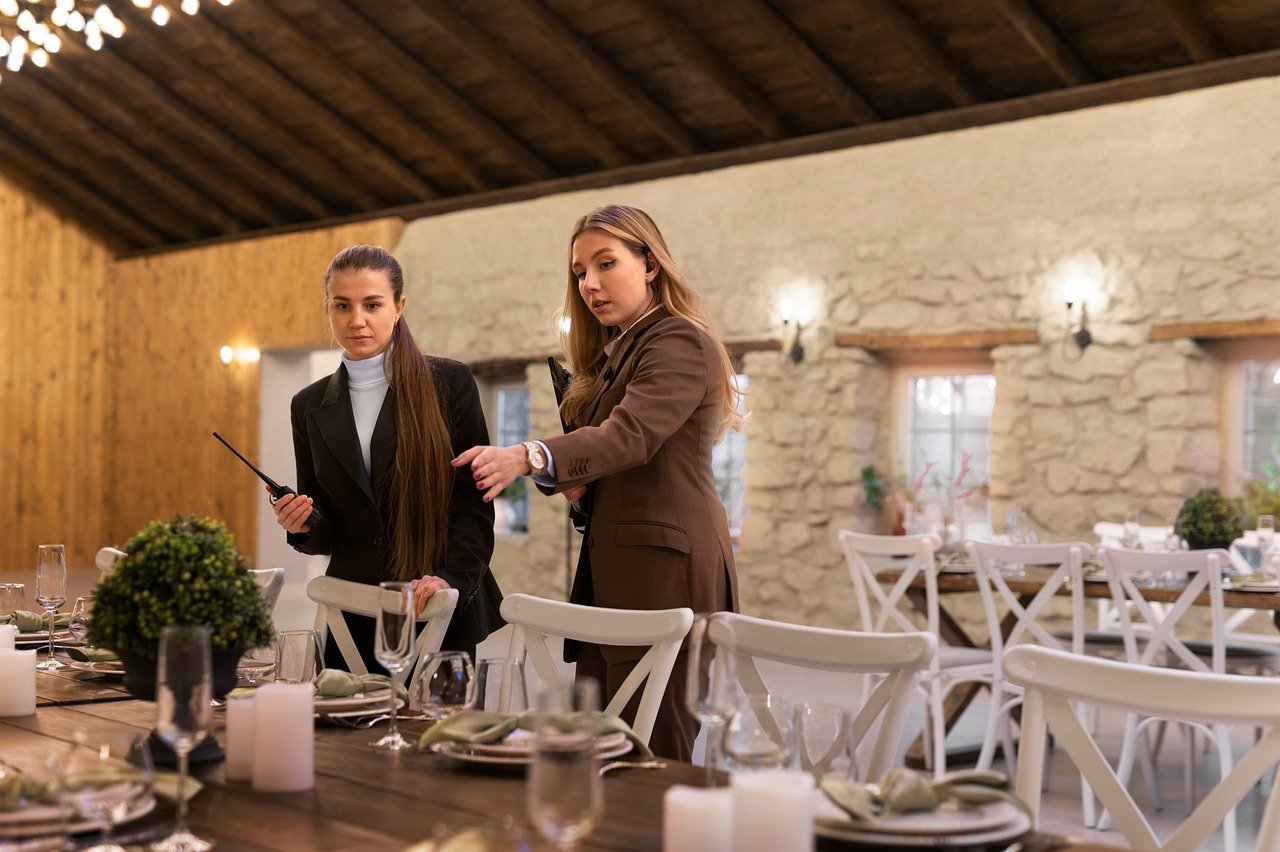
In a high-pressure year like 2026, a Destination Management Company (DMC) serves as more than a coordinator; they are the Operational Backbone and Risk Mitigation Lead.
Local Coordination & Procurement
Managing an event in New York involves dozens of vendors, from luxury hotels to artisanal caterers. A DMC centralizes these fragmented networks through:
-
Preferred Partner Status: Accessing pre-negotiated rates and inventory during peak “Mega-Event” windows like the World Cup.
-
Supplier Accountability: Vetting vendors for service consistency and financial stability to prevent downstream project profitability issues.
Technical & Sustainability Compliance
With Local Law 97 now in its first primary penalty phase, sustainability is no longer optional. A DMC ensures your program meets these mandates by:
-
ESG Audits: Selecting venues with verified carbon-neutral status and “Zero-Waste” catering policies.
-
Infrastructure Stress Tests: Ensuring venue Wi-Fi 7 and 5G capabilities can handle high-density hybrid participation without failure.
Risk & Logistics Management
New York’s 2026 environment includes new challenges like the Congestion Relief Zone and labor law shifts. A DMC provides a “Buffer Strategy” through:
-
Capacity Planning: Managing “true capacity”—including loading windows and pedestrian zones—rather than just brochure availability.
-
Contingency Execution: Maintaining a “Plan B” for transport disruptions or last-minute schedule changes, acting as the single point of accountability for international clients.
Why DMCs Matter: The 2026 Efficiency Model
The complexity of modern MICE programs requires a transition from “logistics” to “industrialized management.”
| Challenge | DMC 2026 Solution | Result |
| Budget Overruns | Pre-negotiated procurement and tax-efficient budgeting. | 15%–18% average cost savings. |
| Sustainability Goals | ISO 20121-certified partners and local sourcing. | Guaranteed ESG compliance. |
| Low Engagement | AI-driven networking and local “cultural trails.” | High participant satisfaction (96%+). |
| Operational Friction | On-site, multi-lingual support and single-point contact. | Seamless, risk-mitigated delivery. |

Pre- and Post-Event Travel: The “Whycation” Shift
As identified in the 2026 Hilton Trends Report, travelers are now prioritizing the “Why” behind their journeys. In New York, this has transformed pre- and post-event extensions from simple add-ons into strategic components of the delegate experience.
-
Strategic Extensions: Over 60% of business travelers now extend their trips for leisure. We facilitate this by securing contracted “extension rates” at host hotels and designing multi-path itineraries that allow participants to transition from corporate sessions to private exploration.
-
Regional Connectivity: Post-event travel frequently extends beyond the five boroughs. With the 2026 modernization of the Amtrak Airo fleet, delegates can easily reach the Hudson Valley for nature-focused retreats or Philadelphia for continued America250 heritage tours.
-
Managed Flexibility: We provide digital destination catalogs and AI-enhanced concierge support to help delegates customize their extended stays, ensuring a seamless transition from “Meeting Mode” to “Discovery Mode.”
Cultural Experiences: Radical Authenticity
In 2026, the “Main Character Moment” is the gold standard for cultural integration. We move beyond generic tours to offer “Radical Authenticity”—unfiltered, sensory-rich connections to New York’s living culture.
-
Exclusive Access: We coordinate private, after-hours tours of landmark institutions such as The Met or the 9/11 Museum Workshop, providing an intimate environment for reflection and connection.
-
Neighborhood Immersions: Programs often include guided explorations of the city’s evolving districts, from the “Danish Minimalism” of SoHo to the vibrant Harlem Hip Hop trails, allowing delegates to feel the pulse of the city’s diverse heritage.
-
Culinary Storytelling: Gastronomy is a primary motivator in 2026. We curate experiences that range from Michelin-starred sustainable dining to “Street Food Safaris” in Queens, focusing on local chef collaborations and seasonal New York produce.
Team-Building: Engagement Through Collaboration
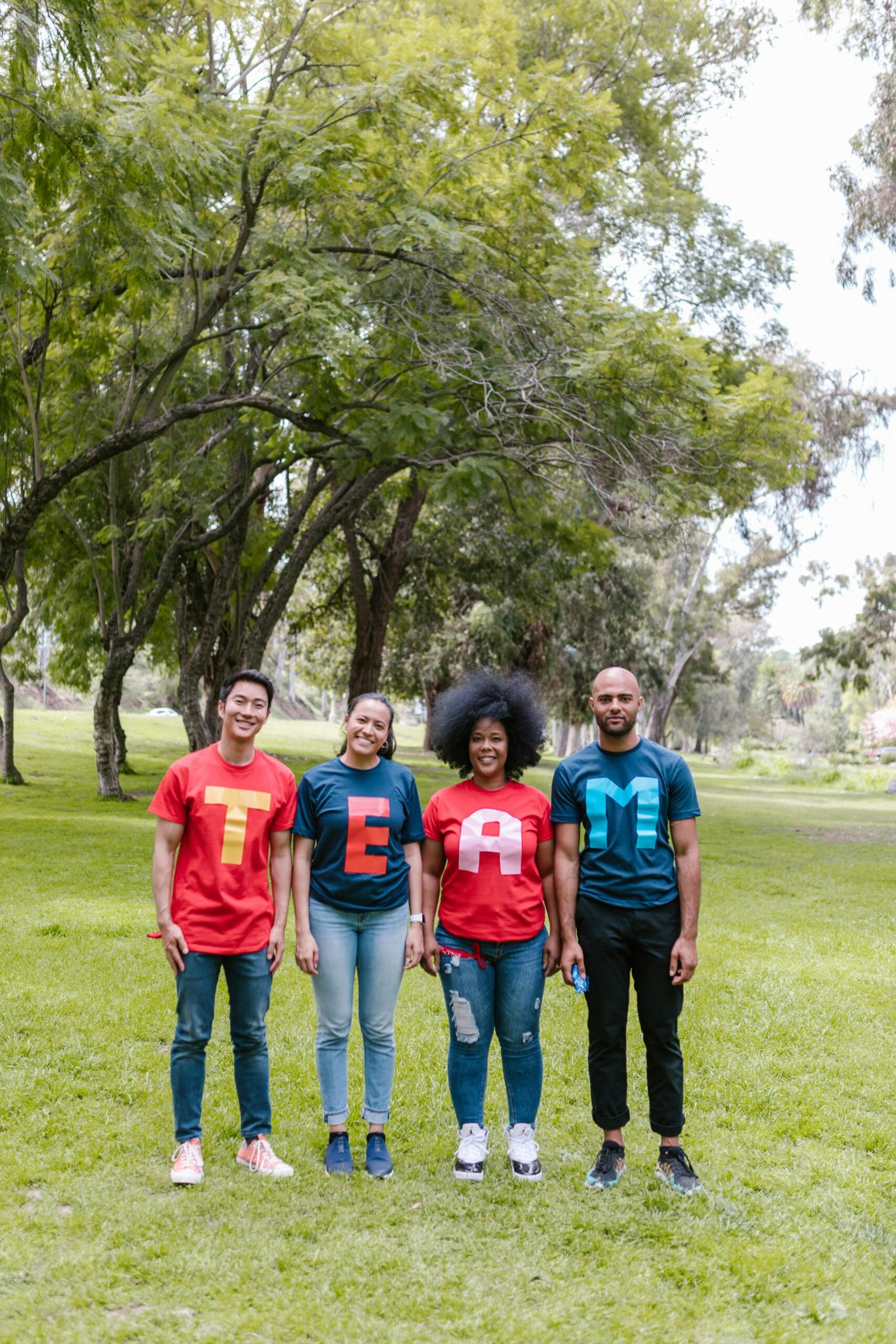
Structured team-building in 2026 has moved away from traditional “ice-breakers” toward Experience Design that evokes genuine emotion and strengthens professional bonds.
-
Cultural Challenges: We utilize the city as a “living puzzle” with facilitated scavenger hunts in Grand Central Terminal or the Metropolitan Museum of Art, where teams must collaborate to decode historical and artistic clues.
-
Creative Workshops: Teams can engage in hands-on “Graffiti Workshops” in Brooklyn or improv sessions at the Upright Citizens Brigade, fostering trust, adaptability, and lateral thinking in a high-energy, judgment-free environment.
-
Wellness Integration: Reflecting the “Slow MICE” movement, we incorporate wellness-driven team activities such as guided mindfulness sessions in Central Park or “Sound Healing” workshops, focusing on participant restoration and long-term engagement.
The 2026 Advantage: Integrated Value
By combining MICE with intentional leisure and cultural elements, we increase the overall perceived value of your program. This approach not only boosts attendance and retention but also ensures that your delegates return to their organizations inspired, recharged, and more deeply connected to their teams.
Final Summary: New York as a Strategic MICE Hub
New York combines international accessibility, professional infrastructure, and unparalleled cultural depth, making it one of the world’s most effective destinations for complex MICE programs. In 2026, the city’s ability to host record-breaking events—including the World Cup Final on July 19—while maintaining seamless business operations highlights its maturity as a global destination.
When supported by experienced destination management, meetings and exhibitions can be delivered with the precision and reliability required for international success.
Strategic Advantages of New York in 2026
-
Economic Impact and Scale: The New York-New Jersey region is projected to see a $3.3 billion economic impact in 2026, supporting over 26,000 jobs and welcoming more than 1.2 million visitors. This surge has accelerated the modernization of transit, security, and digital infrastructure across the five boroughs.
-
Infrastructure Excellence: With the expansion of the Jacob K. Javits Convention Center and the opening of new high-tech venues, the city can accommodate programs ranging from intimate board meetings to congresses for thousands of participants.
-
Sustainability Leadership: Compliance with Local Law 97 is now a primary driver for venue selection. Most large buildings are meeting strict emissions limits, providing organizations with a wide selection of carbon-conscious event spaces that align with global ESG (Environmental, Social, and Governance) targets.
The Role of a Professional Destination Management Company (DMC)
In a year defined by extreme demand and complex logistics, a DMC serves as the essential operational backbone of your program. Beyond basic coordination, a professional partner provides:
-
Market Intelligence and Procurement: Securing “off-market” inventory and preferred rates during peak windows—such as the World Cup and America250 heritage events—where public availability is often non-existent.
-
Risk Mitigation and Compliance: Ensuring all venues and suppliers meet the 2026 regulatory standards, including noise ordinances, congestion zone pricing, and sustainability reporting.
-
Logistical Precision: Managing the movement of delegates through the Congestion Relief Zone and high-traffic event areas using a combination of private transfers, ferries, and optimized public transit.
Strategic Partnering
Partnering with a professional DMC ensures that every aspect of a MICE program is aligned with its strategic objectives, managed by local experts, and executed to the highest international standards.
Planning a MICE program in New York for 2026? Contact our destination management team to discuss your specific requirements and secure your place in the most historic year in New York’s modern history.